The story in brief
A gaúcho takes power in a revolution, faces São Paulo in arms, closes Congress and governs for fifteen years: the “father of the poor” of the labor code and the dictator of the propaganda department and censorship. Deposed, he comes back by the vote and, cornered in 1954, leaves a letter the country never forgot.
The chapters
-
Chapter 1 · 5 min · Free
The Revolution of 1930
A governor opens a diary. Half an hour later, a revolution begins.
Sources: Getúlio Vargas’s diary (1930); Boris Fausto
-
Chapter 2 · 5 min · Free
São Paulo Takes Up Arms
Four young men die in a square. São Paulo takes up arms against Getúlio.
Sources: Electoral Code of 1932; Constitution of 1934
-
Chapter 3 · 5 min
The Estado Novo
A communist plan is read on the radio. The plan is fake. The coup is not.
Sources: Constitution of 1937, art. 178; Labor Code, art. 7
-
Chapter 4 · 5 min
The Snake Smoked
They said a snake would sooner smoke. Brazil went to war.
Sources: Getúlio Vargas, speech of 1940; Decree 10,358 (1942)
-
Chapter 5 · 5 min
The Letter
A journalist swears he will not come back. He does, and the story ends in a letter.
Sources: Testament letter (1954); Lira Neto, Getúlio
Who’s who
The people you meet. Each one is a hero card you can collect.
- Oswaldo AranhaPlotter of 1930 · Foreign minister · UN Assembly president
- Carlota Pereira de QueirósDoctor · Volunteer of 1932 · First woman deputy
- Francisco CamposChico Ciência · Author of the “Polaca” · Justice minister
- PracinhaFEB soldier · Italy, 1944 · The snake smoked
- Carlos LacerdaJournalist · Tribuna da Imprensa · Breaker of governments
- Getúlio VargasLeader of the Revolution · Dictator of the Estado Novo · Father of the poor
What you’ll be able to tell
This story belongs to the journey “The Twentieth Century”. By the end of it, you can tell why Vargas left the presidency “to enter history”, and how the Real ended a decade of runaway prices.
Stories in this journey
- Getúlio Vargas: Into History
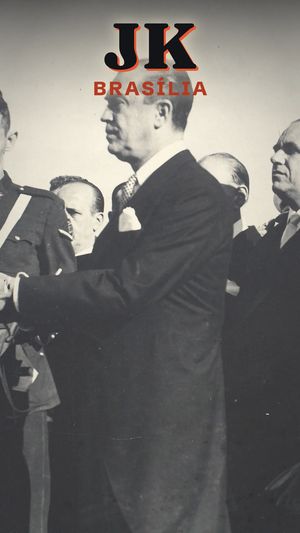
- JK: Brasília
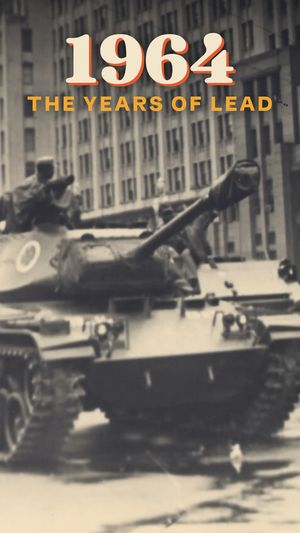
- 1964: The Years of Lead
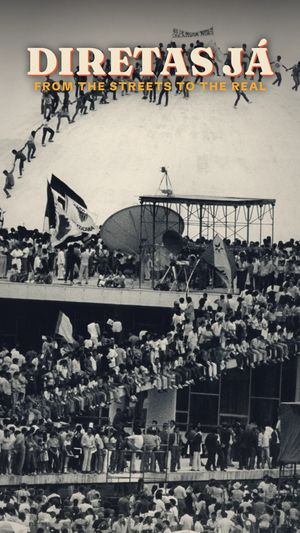
- Diretas Já: From the Streets to the Real
Sources
- Getúlio Vargas’s diary (1930)
- Electoral Code of 1932
- Constitution of 1937
- Labor Code (CLT, 1943)
- Speech of 11 June 1940
- Law 2,004 (1953)
- The testament letter, 24 August 1954