The story in brief
Napoleon drives a whole royal court out of Lisbon, and Rio becomes the capital of an empire. When Portugal wants its king back, the prince stays, shouts near a stream and becomes emperor at 24. Independence costs a war, a fortune and, nine years later, his own crown.
The chapters
-
Chapter 1 · 5 min · Free
The Court Flees
Napoleon marches on Lisbon. A prince ships his whole kingdom to Brazil.
Sources: Carta régia of 28 January 1808; Law of 1815
-
Chapter 2 · 5 min · Free
The King Goes, the Prince Stays
Portugal wants its king back. The king goes, and leaves his son.
Sources: Law of the Cortes, 1 October 1821; Isabel Lustosa
-
Chapter 3 · 5 min
Tell the People I’m Staying
The Fico’s most famous line wasn’t the first one printed.
Sources: Editais of the Senado da Câmara, 9 and 10 January 1822
-
Chapter 4 · 5 min
The Cry
A September afternoon, a mule, a bout of dysentery and two letters.
Sources: Father Belchior and the 1822 witnesses; Cintra (2023)
-
Chapter 5 · 5 min
The Price of the Crown
Independence costs a war, a fortune and, in the end, the crown.
Sources: Act of abdication (1831); Treaty of 1825
Who’s who
The people you meet. Each one is a hero card you can collect.
- Dom João VIRegent · King in Rio · Founder
- Carlota JoaquinaInfanta of Spain · Queen of Portugal · Schemer
- José BonifácioMineralogist · Minister · Patriarch of Independence
- LeopoldinaArchduchess · Acting regent · First empress
- Maria QuitériaSoldier Medeiros · Heroine of Bahia · Knight of the Southern Cross
- Dom Pedro IPerpetual Defender · Emperor at 24 · King Pedro IV
What you’ll be able to tell
This story belongs to the journey “Independence and Empire”. By the end of it, you can tell why Dom Pedro gave his famous cry from the back of a mule, and why Brazilians say a law was made “for the English to see”.
Stories in this journey
- Dom Pedro I: Independence or Death
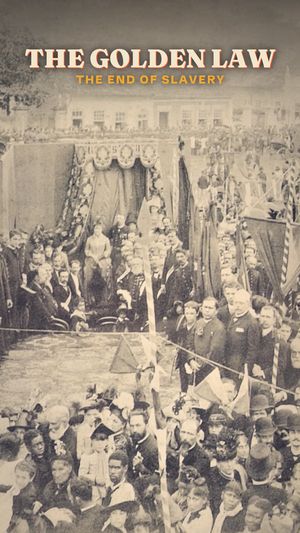
- The Golden Law: The End of Slavery
Sources
- Royal law of 16 December 1815
- Law of the Lisbon Cortes, 1 October 1821
- Editais of Rio’s Senado da Câmara, 9 and 10 January 1822
- The accounts of Belchior, Canto e Melo, Marcondes and Gama Lobo on 7 September
- Treaty of Rio de Janeiro (1825)
- Act of abdication, 7 April 1831